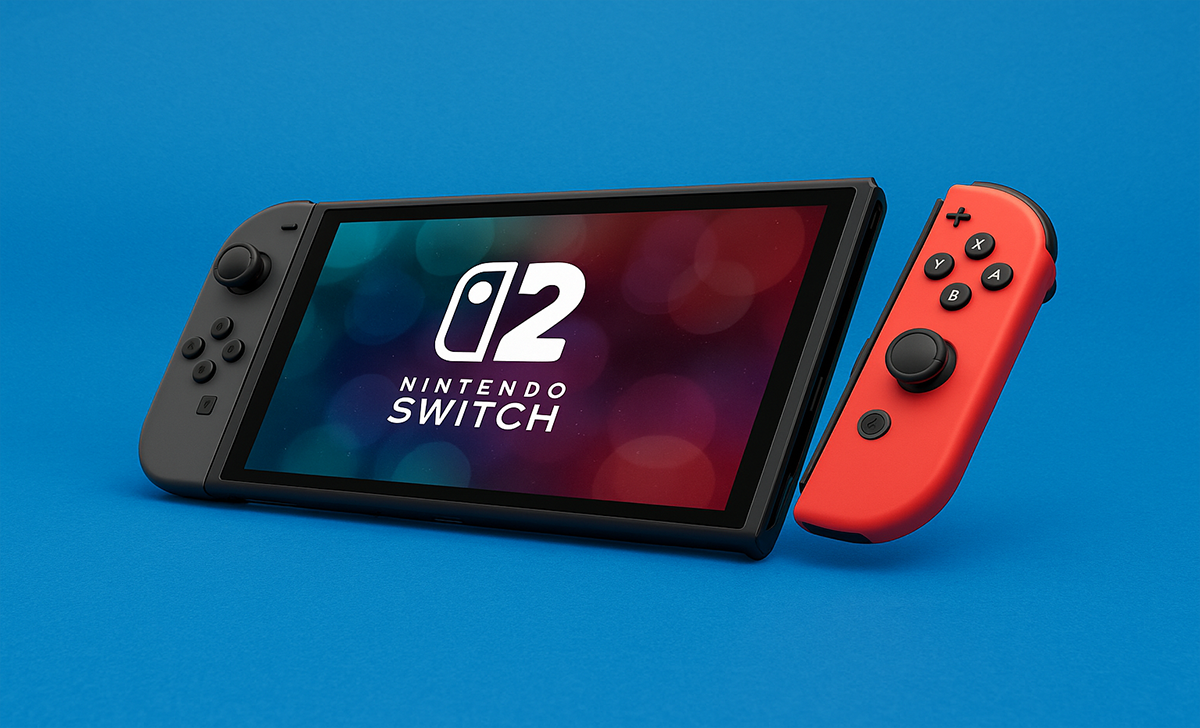
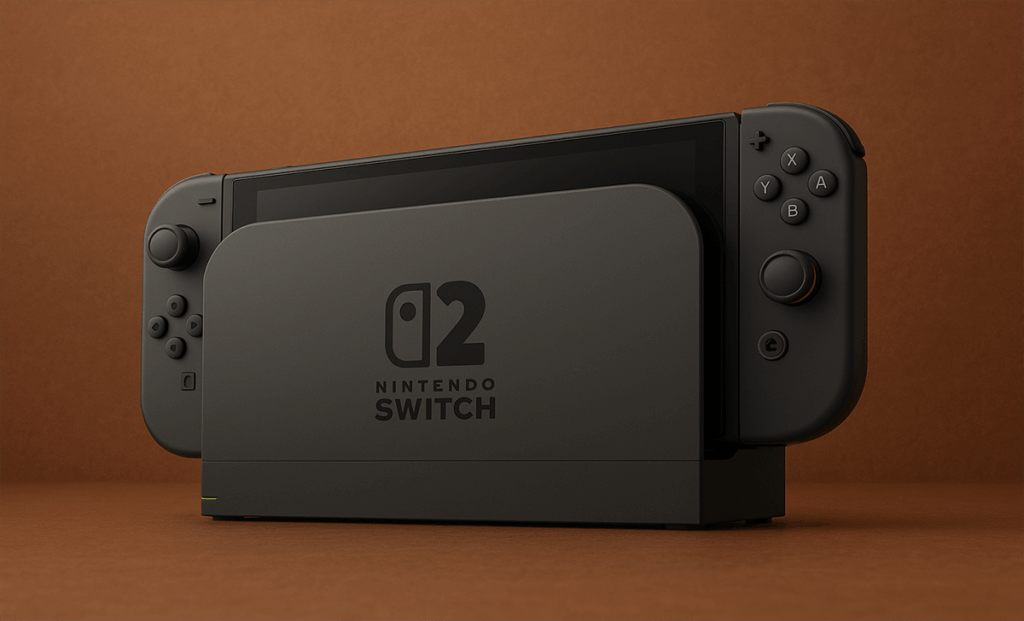
Nintendo officially revealed the Switch 2 this spring, and it’s exactly what many expected: a more refined version of the original. The hybrid format remains you can still switch between handheld play and docking to a TV.
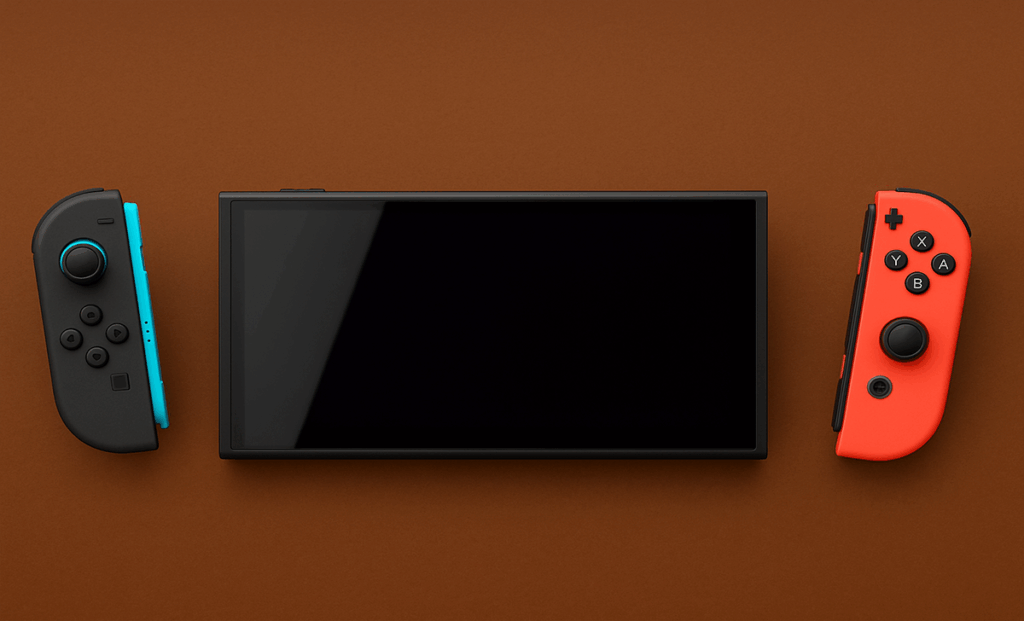
The screen’s been upgraded to a larger 7.9-inch 1080p display with a smooth 120Hz refresh rate. Docked, the console now outputs at 4K/60 thanks to a custom Nvidia chip, which delivers noticeably sharper visuals. The Joy Con controllers also got an overhaul, with better build quality, magnetic attachments, and even a mouse sensor for added control.
What’s New Inside
The updates are incremental but meaningful. Here’s what’s changed:
4K/60Hz output when docked
Faster, more responsive eShop
Load times cut in half for major games like Breath of the Wild and Tears of the Kingdom
A larger 5,220 mAh battery, though battery life is slightly shorter due to increased power demands (2 to 6.5 hours)
New social features like GameChat and screen sharing
These tweaks make the console feel snappier and more polished without changing the core experience, these changes give the console a more polished and responsive feel. Instead of reinventing, Nintendo decided to change.
What Works
1. Better Hardware That Is Comfortable
sharper, larger screen
lag-free 120Hz gameplay
Better images in handheld mode
2. Faster Performance
Fast load times
Better navigation in eShop
3. Known Format
The same level of hybrid adaptability
Magnetic Joy Cons have a more upscale feel.
4. Powerful Launch Schedule
More capacity, but shorter use time
Non replaceable battery requires service if problems arise
5. Market Risks
Price-to-performance gap may limit broader appeal
More handheld competition now than during the original Switch launch
Without bold changes, Nintendo risks getting lost in the crowd.
Playing It Safe Pays Off
Nintendo stuck to what works. The hybrid concept continues to resonate with both players and developers. Developers don’t need to relearn new hardware. Consumers avoid losing access to games they already own. And the install base of over 150 million players gets a smoother experience without a learning curve.
Rather than chasing high-end specs, Nintendo doubled down on usability and consistency. That strategy could help them keep existing fans while gradually bringing new ones in.
So, Should You Upgrade?
Ask yourself:
Want sharper visuals and faster load times? You’ll notice the difference.
Use handheld and docked modes equally? The hybrid format is better than ever.
Own a big Switch library? Backward compatibility makes the transition seamless.
Ready to spend $450 to $500? This is a premium console at a premium price.
Use social features? GameChat and screen sharing add more ways to connect.
If you’re looking for a smoother, faster Switch with a better screen and refined design, it’s a solid choice. But if you’re satisfied with your current setup, waiting for a more dramatic upgrade might be the smarter move.
Final Take
The Switch 2 delivers thoughtful updates without shaking up the formula. You get:
Better visuals and performance
Familiar but polished hardware
A premium experience at a higher cost
It’s a cautious but confident step forward. Whether that’s enough in today’s crowded handheld market will depend on how strong Nintendo’s software lineup stays over the next few years.